Guide · Live and filmed events
Hosting an event that is also filmed or streamed: what changes
When an event is also filmed or streamed, the host serves two audiences at once: the people in the room and the people watching. Nothing can be edited, so timing, language and cues all become tighter. This guide covers what changes and what to prepare.
By Naïm Terrache, event host · Updated
What does a live recording change for the host?
Nothing can be edited. A pause, a stumble or a speaker who overruns is seen as it happens, by everyone. The host’s job is to make those moments invisible, by knowing the running order well enough to absorb them.
That is why the host works from the same running order as the director and the stage manager, and never from a private version.
In the room, on camera, or both?
In the room only: the host speaks to the people in front of them and the rest of the event is managed in the programme. On camera only: a studio-style event with a small audience. Both: the usual case for a conference or brand event that is streamed.
With both, decide who the host is speaking to. A host who looks only at the lens loses the room; a host who ignores the lens loses the stream. Agree with the director which moments are for which, and where the camera is placed. For example, the host’s welcome goes to the lens, then a gesture brings the room back in.
How do timings work when you are streaming?
A stream starts at a fixed minute, and the first seconds are the ones the viewers judge. The host needs the exact start, a countdown from the director, and a first sentence prepared in advance.
Breaks need an equal plan. In the room, a break is a break. On a stream, someone has to decide whether viewers see a holding screen, a recap or a short interview. I include those links in the running order.
What about a remote audience and questions?
If viewers can ask questions, someone filters them. That person passes a short list to the host, who reads the question aloud and gives the name of whoever asked. The guide on running audience Q&A at a conference covers how to take questions without losing control of the time.
What does the host need for a filmed or streamed event?
The running order with every cue, including the director’s. Whether there is a countdown and who gives it. Whether the host hears the director in an earpiece. Which languages the stream carries. What must not be said on air.
And a technical rehearsal with the cameras. The host stands where they will stand, speaks into the microphone they will use and learns where the light is. Nobody should discover on the day that the best spot for the host is in front of a window.
Which languages for an international live event?
I host in English, French and Spanish. For a stream with an international audience, decide in the running order which segments go in which language and say each message once. An interpreter, when one is needed, is a different service and a different decision, covered in the guide on bilingual hosts.
Questions
- Is the host of a filmed event the same as an MC?
- The role is the same. Filming only adds a second audience and tighter cues.
- Can the same host cover the room and the stream?
- Yes, if the director and the host agree beforehand who they are addressing at each moment. For large streams, some producers add a second presenter for the online audience.
- What if the stream drops?
- The producer decides the fallback and the host is told the line to use. A prepared sentence sounds natural; an invented one does not.
- Do I need a rehearsal?
- Yes. A filmed event has cues in sound, light and video that the host should walk through on the actual stage.
Services this applies to
Other guides
- What does an event host do?
- What decides the cost of a corporate emcee
- How to find and book an event host
- Emcee or moderator: which do you need?
- Questions to ask an emcee before you book
- How to write a run of show for your emcee
- Finding an English-speaking event host in France
- Bilingual emcee or interpreter: which one does your event need?
- Bringing a gala to France: what actually changes
- How to run a corporate conference and time the agenda
- How to script and time an awards evening
- When a speaker overruns: what the host does
- What a host does at a product launch
- How to introduce a keynote speaker
- How to run an audience Q&A at a conference
- What is a compere? Compere, emcee, MC and host compared
- How announcements between acts keep a live show continuous
- How to judge an event host’s preparation before you book
- Colleague, professional or guest: who runs the programme?
- What a stage host does at a trade show or multi-stage event
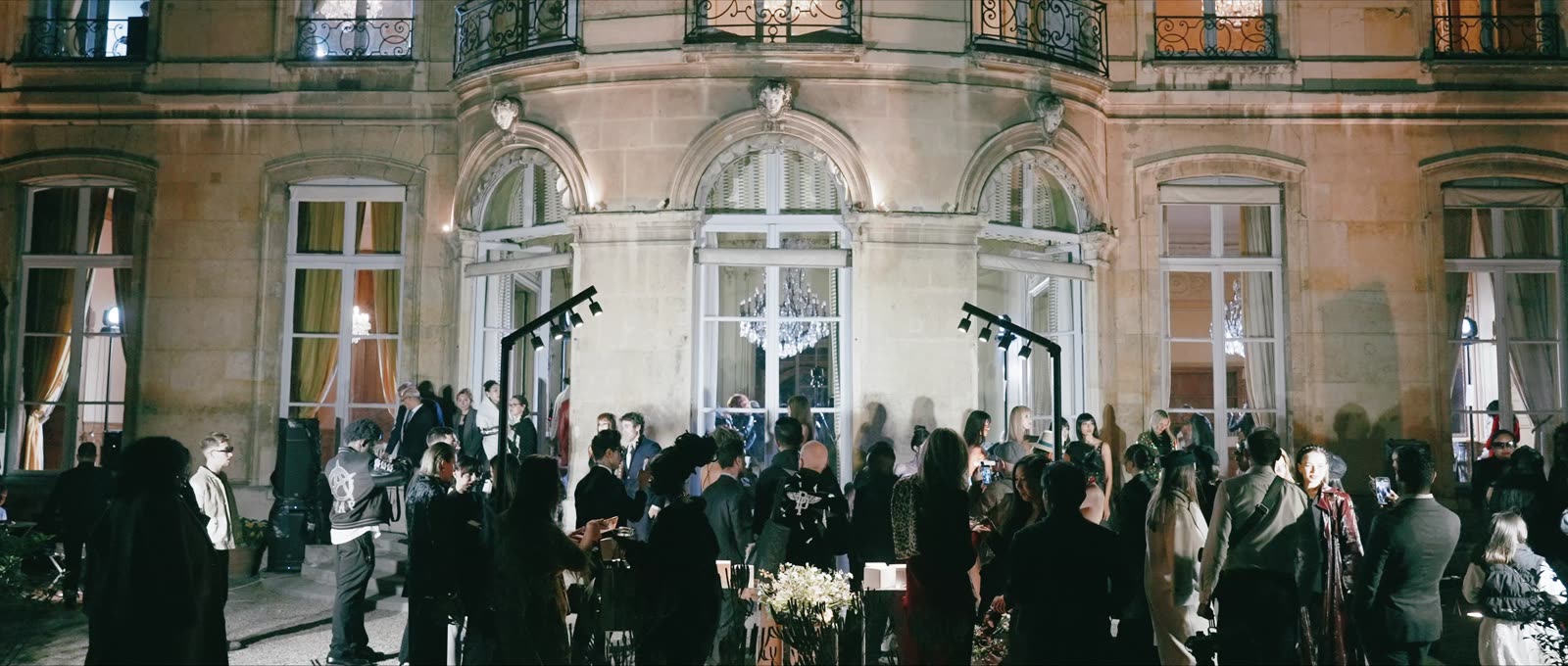 Photo : @selim_mahieu
Availability
Get a quote for your event.
Send the date, the city, the format and the languages of your audience. You get availability and a quote back, usually within the day.