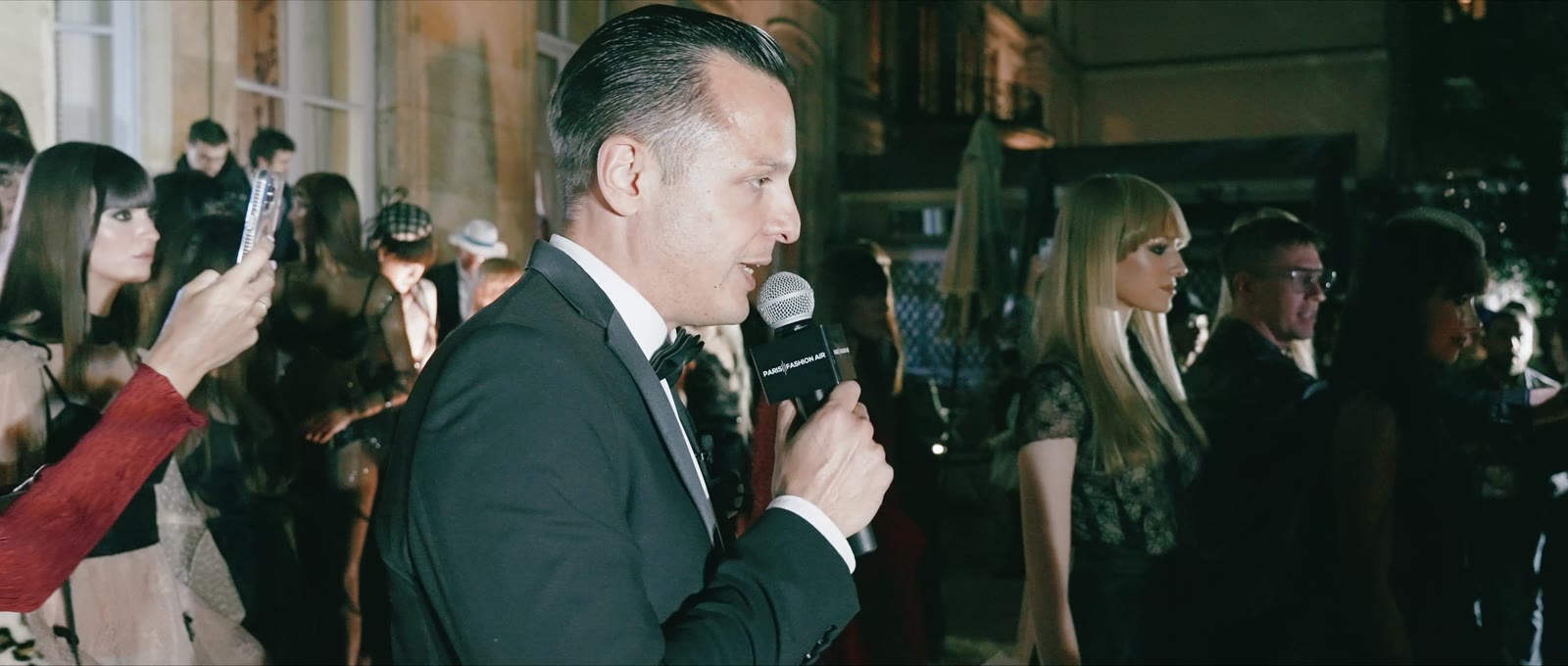
 Photo : @selim_mahieu
Guide · Launches
What a host does at a product launch
At a launch, the host builds the room towards one moment, the reveal, and protects it. A conference has many sessions of equal weight. A launch has one climax, and everything before it exists to make it land.
By Naïm Terrache, event host · Updated
How is a launch different from a conference?
A conference host keeps many sessions on time. A launch host keeps one moment intact: the product, the news or the name that the press and your guests came to see. The rest of the programme is there to bring the room to that point at the right energy.
That changes the work. The host does not explain the product, because your product lead does that better. The host holds the room, says the product name correctly, and makes sure nobody on stage gives the news away early.
Where does the reveal go in the running order?
Early enough that the room still has time and energy to do something with it. Guests want to see the product up close, ask questions and photograph it Plan where and when they can do it, for example a demo area or time with the product team. A reveal in the last five minutes leaves none of that time.
So the usual shape is a short opening, one or two speakers who set up the story, the reveal, then the demo and the questions. Press and guests then have the rest of the event to talk to your team.
I write this running order with your producer and send it to you for approval before the day. It is part of the job.
What does the host need to know before the day?
The exact name of the product and of every feature that will be said aloud, written phonetically if it is invented or comes from another language. A product name is the one word that must be right in front of the press.
What is under embargo, and until which minute. The host should hear the sensitive points from you in the brief, not discover them on stage. Your event stays confidential, and nothing about it is published without your agreement.
Who is on stage, in which order, and who introduces whom. If your CEO walks on to a prepared introduction, the host needs the exact line that ends it, so the handover is clean.
What happens if the demo fails?
Decide before the event what the fallback is, and who calls it. Build backup plans into the running order itself, such as preloaded videos or an alternate speaker order. A second version of the demo, ready to play, is worth adding. Give the host a short audience-engagement segment, ready to fill an unexpected gap, so the audience takes the recovery as part of the show.
The host fills the first seconds, because dead air is what the room remembers. After that, the producer calls the switch to the backup, and the host announces it as the next item, with no apology.
Agree the sentence the host uses in that moment, and the signal that tells them to use it. A line agreed in rehearsal sounds natural. A line found on stage does not.
Which language does the launch run in?
In Paris, a launch often has international press, local partners and your own team from several countries in the same room. Decide in the running order which moments go in which language, and say each one once. The reveal usually goes in the language of the press that matters most.
I host in English, French and Spanish, so the announcements and the handovers can switch language without an interpreter. Speakers who present in one language only are a different question, covered in the guide on bilingual hosts and interpreters.
How much time should I leave between segments?
Leave a buffer between sessions in the running order: it absorbs small delays and lets the crew reset the stage. At a launch, the stage reset before the reveal is the one place where you should be generous.
Put the buffer where the audience will not see it: inside a walk-in video, a short interview or the host's link, not as an empty stage.
Questions
- Does the host present the product?
- No. Your product lead or founder does. The host introduces them, keeps the room with them, and takes the microphone back for the next part.
- Can the host also run the press Q&A?
- Yes, if you brief them on who the press are and what cannot be answered. Many teams prefer a product expert to take the technical questions and the host to choose who speaks and close the session on time.
- How long before the launch should the host get the brief?
- As soon as you have a first version of the programme. Product names and the embargo plan can follow, but the host needs them in writing before the technical rehearsal.
- Is a rehearsal necessary for a launch?
- Yes. A reveal depends on cues in sound, light, video and sometimes a physical object. The host walks through each one with the crew so that the moment is timed and not improvised.
Services this applies to
Other guides
- What does an event host do?
- What decides the cost of a corporate emcee
- How to find and book an event host
- Emcee or moderator: which do you need?
- Questions to ask an emcee before you book
- How to write a run of show for your emcee
- Finding an English-speaking event host in France
- Bilingual emcee or interpreter: which one does your event need?
- Bringing a gala to France: what actually changes
- How to run a corporate conference and time the agenda
- How to script and time an awards evening
- When a speaker overruns: what the host does
- How to introduce a keynote speaker
- How to run an audience Q&A at a conference
- What is a compere? Compere, emcee, MC and host compared
- How announcements between acts keep a live show continuous
- Hosting an event that is also filmed or streamed: what changes
- How to judge an event host’s preparation before you book
- Colleague, professional or guest: who runs the programme?
- What a stage host does at a trade show or multi-stage event
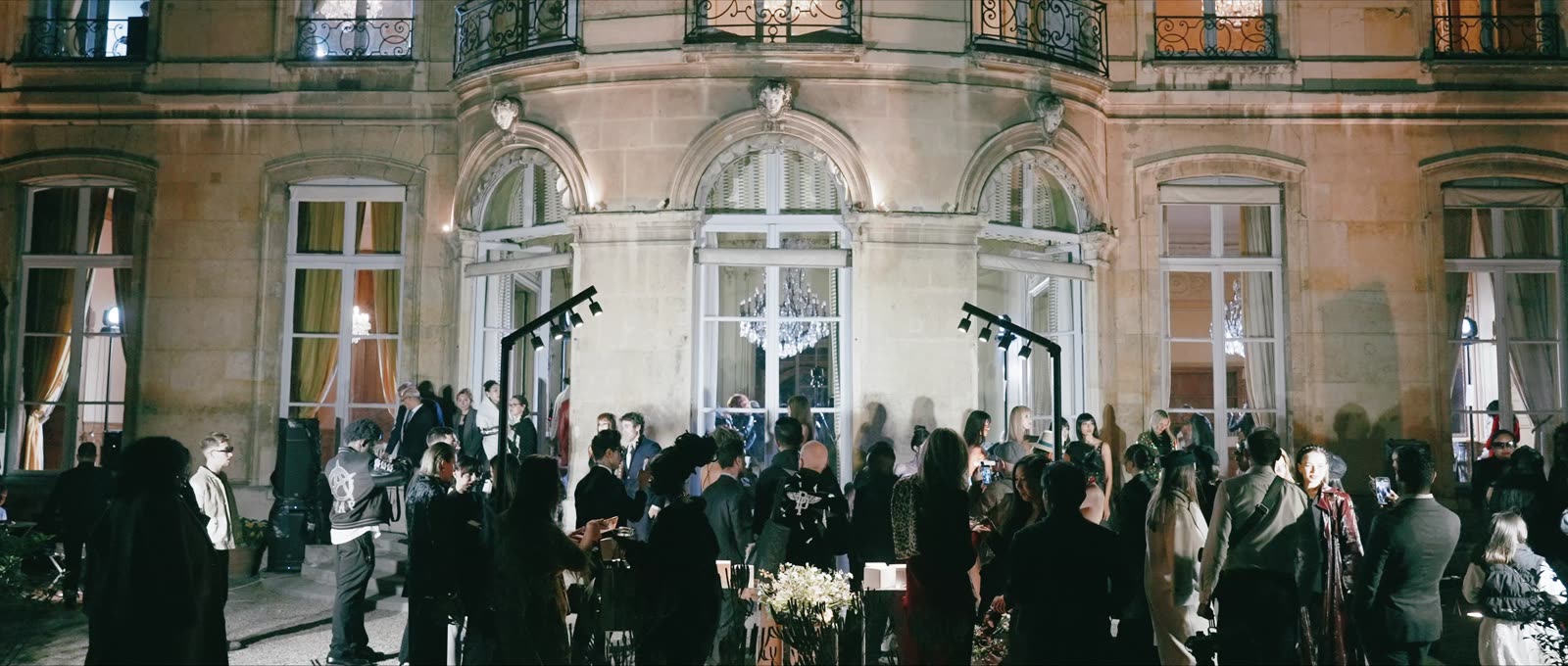 Photo : @selim_mahieu
Availability
Get a quote for your event.
Send the date, the city, the format and the languages of your audience. You get availability and a quote back, usually within the day.